Comparison
HDPE vs PVC: Which Pipe Material Is Right for Your Project?
A practical comparison of high-density polyethylene and polyvinyl chloride pipes — material properties, joining methods, total cost, and where each one wins.

Dr. Wei Liu, P.E.
Senior Engineering Manager · Primepoly
Published: Apr 15, 2026
Updated: Apr 29, 2026
13 min read
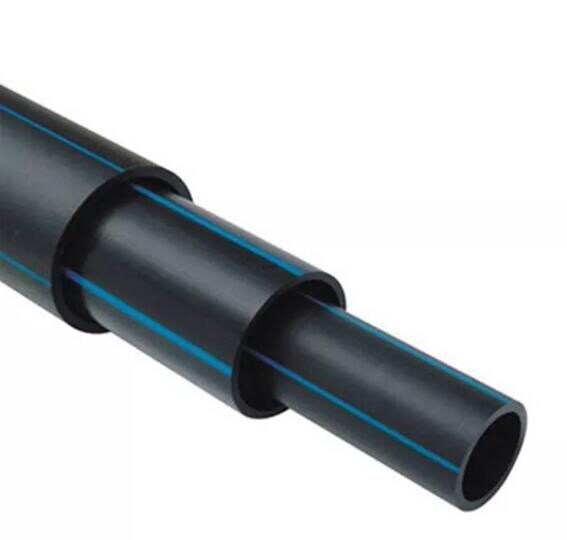
HDPE (high-density polyethylene) and PVC (polyvinyl chloride) are the two most widely specified plastic pipe materials in the world. Both are durable, corrosion-free alternatives to ductile iron and steel, but they differ in important ways — temperature resistance, joint integrity, flexibility, lifespan and cost. Choosing the wrong one can mean an expensive retrofit five years into a 50-year project. This guide gives you the data and the decision logic to choose correctly the first time.
What is HDPE pipe?
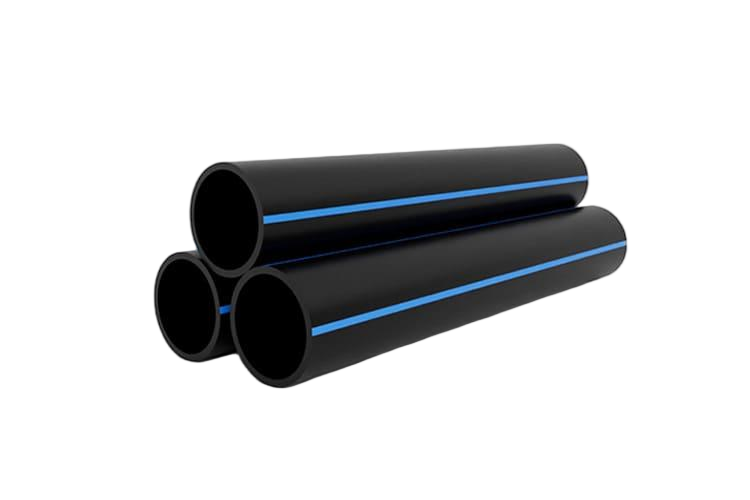
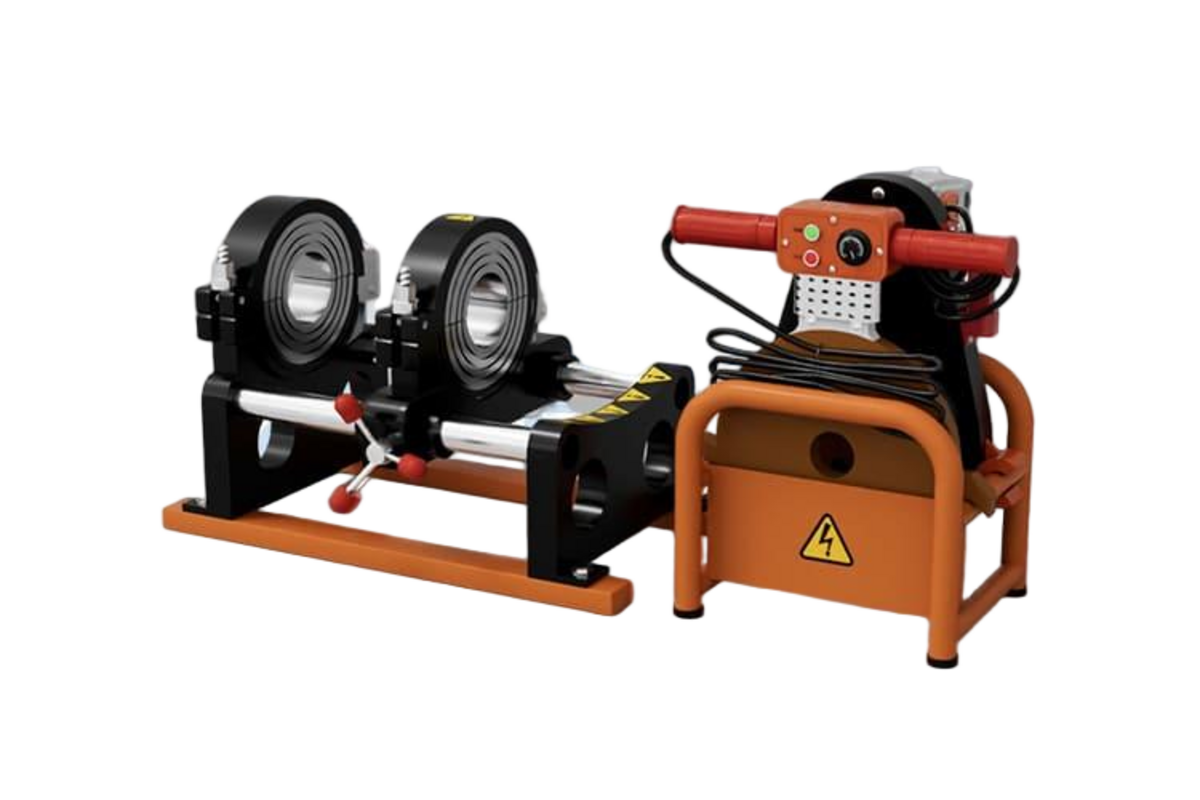
HDPE pipe is extruded from PE100 or PE4710 resin — high-density polyethylene with a long-chain molecular structure that gives it remarkable toughness, flexibility and chemical inertness. HDPE pipes are produced from sizes as small as DN12 mm up to DN2000 mm, and pressure ratings from PN4 to PN25. Joints are made by butt fusion (heated-plate welding) or electrofusion (resistor-wire embedded fittings) — both produce a homogeneous, monolithic joint that is stronger than the parent pipe.
This single property — leak-free, monolithic joints — is what makes HDPE the dominant choice for trenchless installations, mining slurry lines, gas distribution networks, and any application where ground movement, freeze-thaw cycles or long unsupported spans put bell-and-spigot joints under stress.
What is PVC pipe?
PVC pipe is extruded from rigid polyvinyl chloride compound, with PVC-U (unplasticised), CPVC (chlorinated) and PVC-O (bi-axially oriented) being the main industrial variants. It is more rigid than HDPE, has higher temperature ratings (CPVC up to 95 °C) and carries water at slightly lower friction loss. Sizes typically run DN16 mm to DN630 mm, with pressure ratings PN6 to PN16.
PVC joints are made by solvent welding (chemically fused sockets), rubber-ring sealed bell-and-spigot (the dominant method for sewerage and large-diameter water), or threaded connections. Solvent-welded PVC joints are strong but brittle; rubber-ring joints are fast to install but rely on gasket integrity over decades.
Side-by-side: 10 properties compared
Here is how PE100 HDPE and PVC-U / CPVC measure up across the ten properties most B2B buyers care about. Specific values vary by grade and manufacturer — figures below reflect typical Primepoly production.
| Property | HDPE (PE100) | PVC-U / CPVC | Notes |
|---|---|---|---|
| Density (g/cm³) | 0.95 | 1.40 | HDPE is 30 % lighter — easier handling on site |
| Tensile strength (MPa) | 22 | 50 | PVC is more rigid; HDPE is more flexible |
| Service temperature (°C) | −40 to +60 | 0 to +60 (PVC-U) / −20 to +95 (CPVC) | CPVC handles hot water |
| Pressure rating | PN4 – PN25 | PN6 – PN16 | HDPE wins at high pressure |
| Joining method | Butt fusion / electrofusion | Solvent weld / rubber ring | Fusion = leak-free, monolithic |
| Joint integrity | Stronger than parent pipe | Strong but brittle | HDPE wins for ground movement |
| Chemical resistance | Excellent vs acids, alkalis, salt | Excellent vs acids; weaker vs ketones / aromatics | HDPE has wider chemical compatibility |
| UV resistance | Carbon-black formulated for UV | Stabiliser additives required | Both OK above-ground if specified |
| Service life | 50 – 100 years | 50 – 100 years | Both rated for half-century service |
| Recyclable | Fully recyclable | Recyclable but more complex | HDPE simpler end-of-life |
Source: PPI 2018, AWWA M55 (2020)
Which to pick — by application
The right material is the one that fits the application. Here is our quick-pick guide for the eight most common B2B project types we see at Primepoly.
| Application | Recommended material | Why |
|---|---|---|
| Municipal potable water main | HDPE PE100 | Leak-free fusion joints, 50+ yr life, NSF/ANSI 61 certified |
| Indoor cold water plumbing | PVC-U or PP-R | Lower cost, easy solvent-weld install |
| Indoor hot water | CPVC or PP-R | Temperature rating beyond PVC-U capability |
| Sewerage / drainage | PVC-U | Smooth bore, rubber-ring sockets, lower cost |
| Gas distribution | HDPE PE100 (yellow / orange) | ISO 4437, fusion joints, gas-codes-mandated material |
| Mining slurry / tailings | HDPE PE100 | Abrasion resistance, monolithic joints, no leaks |
| Irrigation main lines | HDPE or PVC | HDPE if mobile / coiled, PVC if static field |
| Industrial chemical process | CPVC | Higher temperature & corrosion resistance |
Quick decision flowchart
If you only have ten seconds, run through this mini decision tree:
Total cost of ownership
On the spec sheet, PVC-U is roughly 15–25% cheaper per metre than HDPE in DN50–DN200 sizes. But total cost of ownership tells a different story. Independent water-utility studies (e.g. AWWA M55 Manual of Practice, "Polyethylene Pressure Pipe Design") show HDPE's leak-free fusion joints cut non-revenue water losses by 80–95% compared with traditional gasketed-joint pipe. Over a 50-year service life, that turns the up-front premium into a deep operational saving — particularly in arid regions where every cubic metre of lost water has scarcity cost.
Five common selection mistakes
- Specifying PVC for a buried gas line. Most national gas codes prohibit PVC for fuel gas distribution; only HDPE PE100 (yellow) is approved.
- Using PVC-U for hot-water service. PVC-U softens above 60 °C; specify CPVC or PP-R instead.
- Skipping fusion-welder operator certification. ISO 12176-3 / DVS 2207 certification is what makes HDPE joints reliable — uncertified joints are the single biggest source of HDPE field failures.
- Underspecifying SDR for high-static-head water mains. SDR17 (PN10) is fine for typical city pressure, but pumping head plus surge can demand SDR11 (PN16) — see our SDR/PN selection guide for the calculation.
- Mixing materials without proper transition fittings. HDPE-to-steel-flange transitions need a stub-end + backing flange + correct gasket; HDPE-to-PVC requires a compression coupling rated for both.
The verdict
For most pressure-pipe applications — municipal water, gas, mining, irrigation main lines, fire mains — HDPE is the safer long-term choice because of its leak-free fusion joints and tolerance to ground movement. The 15–25% material premium pays back inside a decade through reduced leak repair and water-loss savings.
For low-pressure indoor plumbing, drainage, sewerage and any application where rubber-ring sockets are acceptable, PVC remains a cost-effective choice with proven 50-year track records. CPVC fills the hot-water gap that PVC-U cannot. The right answer is rarely "always one or the other" — it is matching the material to what the application is actually doing.
Glossary
- PE100
- A polyethylene resin grade with Minimum Required Strength (MRS) of 10 MPa. The dominant grade for modern HDPE pressure pipes; PE4710 is the equivalent designation in the North American market under ASTM and PPI rating systems.
- SDR (Standard Dimension Ratio)
- Ratio of pipe outside diameter to wall thickness. Lower SDR = thicker wall = higher pressure rating.
- PN (Nominal Pressure)
- Maximum continuous internal water pressure rating, in bar, at 20 °C, over a 50-year service life. PN10 = 10 bar continuous.
- Butt fusion
- Heated-plate thermal welding technique used to join HDPE pipes end-to-end; produces a homogeneous joint stronger than the parent pipe.
- WRAS / NSF 61
- UK Water Regulations Approval Scheme and US drinking-water-contact certification respectively. Both certify that pipes are safe for potable water.
- Non-revenue water (NRW)
- The volume of treated water lost between production and customer billing — a key cost driver in utility economics. HDPE's leak-free fusion joints reduce NRW dramatically.
References & further reading
- [1]Plastics Pipe Institute (PPI) — PE Pressure Pipe Design and Application Guide
- [2]AWWA — M55 Manual — PE Pressure Pipe: Design and Installation (2nd Ed.)
- [3]ISO — ISO 4427 — Plastics piping systems for water supply (PE)
- [4]ASTM International — ASTM F714 — Standard Specification for Polyethylene (PE) Plastic Pipe Based on Outside Diameter
- [5]WRAS — Water Regulations Approval Scheme — Approved Materials Directory
- [6]NSF International — NSF/ANSI 61 — Drinking Water System Components – Health Effects
- [7]European Plastic Pipes & Fittings Association — TEPPFA Pipe Lifetime Reports
- [8]DVS — DVS 2207-1 — Welding of thermoplastics: Heated tool butt welding of PE pipes
Frequently asked questions
Need expert advice on your project?
Our engineering team helps utilities, contractors and EPCs specify the right pipe material and SDR for their project. Get a no-obligation technical consultation.
Talk to an engineer