PVC Pipes
CPVC Pipe
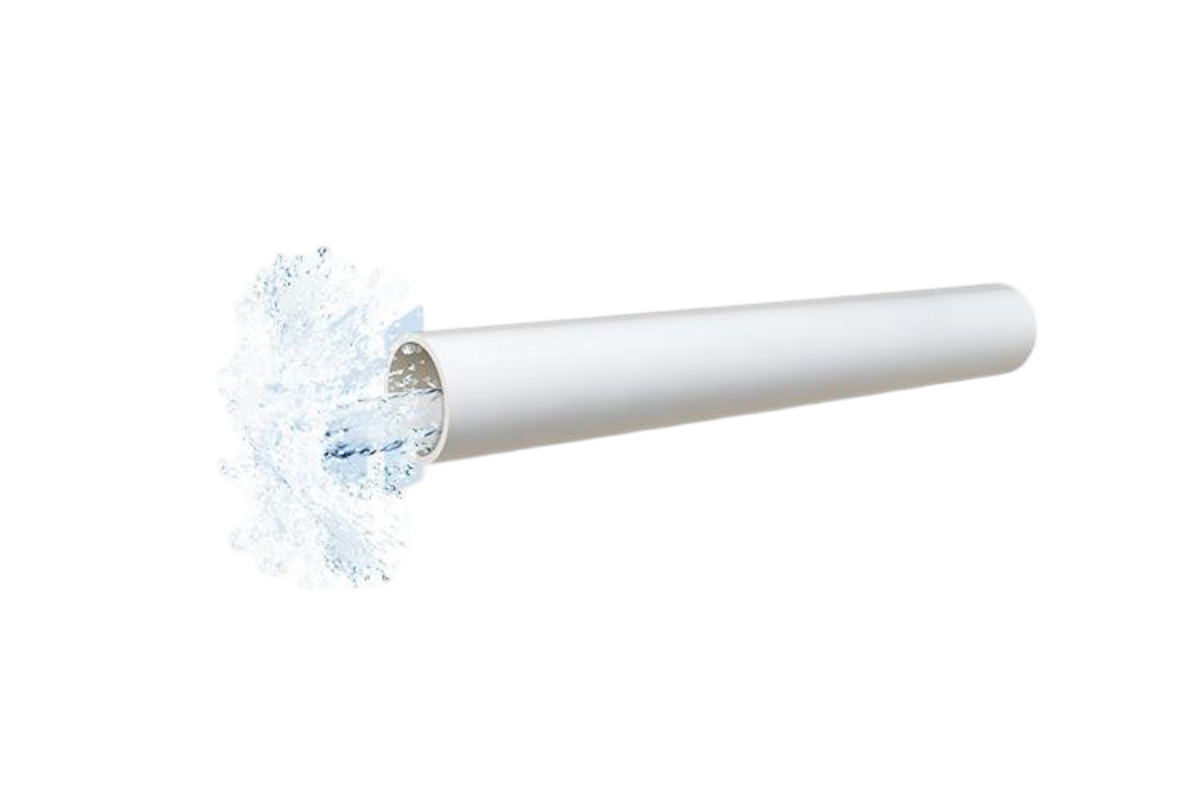
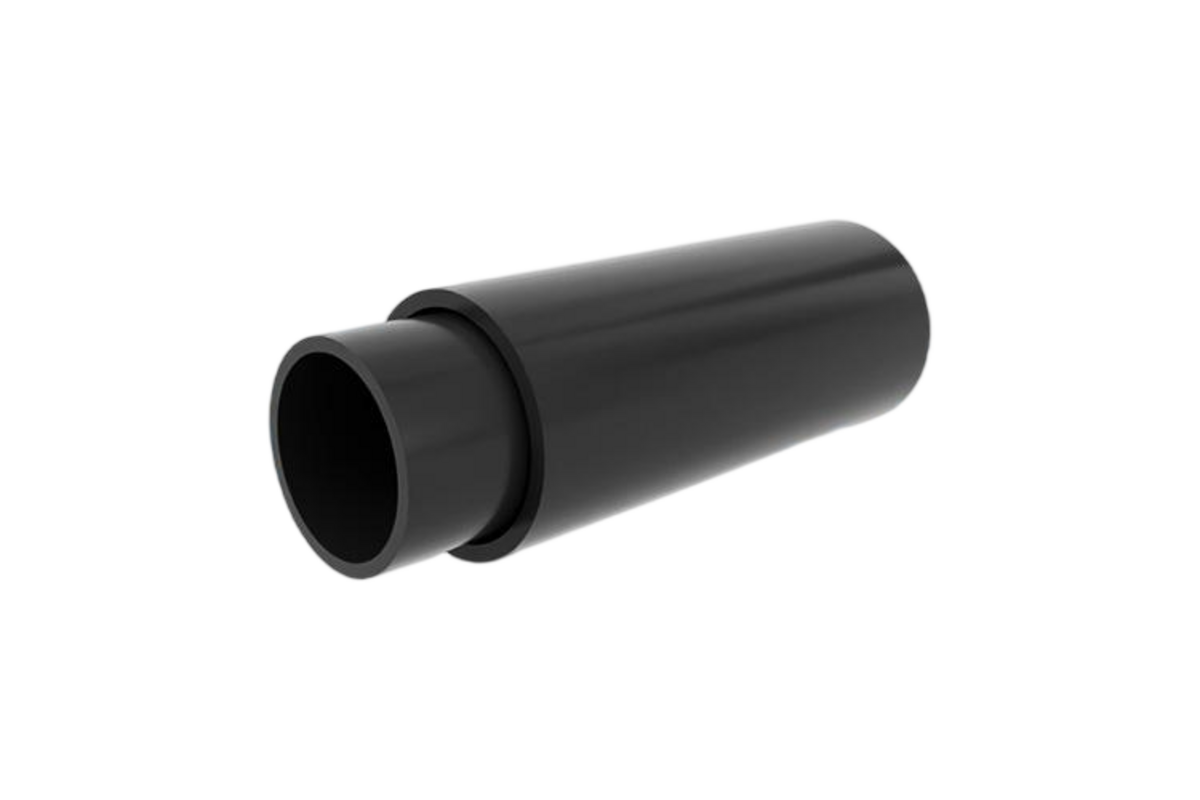
CPVC pipes offer excellent heat resistance and corrosion resistance, making them ideal for hot water systems, chemical processing, and industrial fluid transport. Manufactured from chlorinated polyvinyl chloride for stable service at temperatures up to 90–95 °C, CPVC pipes are widely used in residential and commercial hot water, industrial fluid lines, plating and electroplating circuits, and chemical media transport.
- Raw Materials
- Chlorinated polyvinyl chloride (CPVC) compound
- Diameter Range
- 1/2" – 24" (DN15 – DN600)
- Pressure Rating
- Schedule 40 / Schedule 80
- Standards
- ASTM F441 (CPVC pipe) / ASTM F439 (CPVC fittings)
- Length
- 4 m per length
- Operating Temperature
- Vicat softening temperature ≥ 110 °C
- Color
- Grey
- Certificates
- NSF certification — application in progress
- Applications
- Hot water systems, chemical processing, industrial fluid transport, electroplating lines
Datasheet
CPVC Pipe — Dimensions & Nominal Weight
| NPS (inch) | DN (mm) | OD (mm) | OD tol. | Wall (mm) | Wall tol. | Approx. ID (mm) | Weight PVC (kg/m) | Weight CPVC (kg/m) |
|---|---|---|---|---|---|---|---|---|
| 1/2" | 15 | 21.34 | ±0.10 | 3.73 | +0.51 | 13.4 | 0.311 | 0.337 |
| 3/4" | 20 | 26.67 | ±0.10 | 3.91 | +0.51 | 18.3 | 0.421 | 0.457 |
| 1" | 25 | 33.40 | ±0.13 | 4.55 | +0.53 | 23.8 | 0.618 | 0.670 |
| 1-1/4" | 32 | 42.16 | ±0.13 | 4.85 | +0.58 | 31.9 | 0.855 | 0.927 |
| 1-1/2" | 40 | 48.26 | ±0.15 | 5.08 | +0.61 | 37.5 | 1.037 | 1.124 |
| 2" | 50 | 60.32 | ±0.15 | 5.54 | +0.66 | 48.6 | 1.435 | 1.556 |
| 2-1/2" | 65 | 73.02 | ±0.18 | 7.01 | +0.84 | 58.2 | 2.190 | 2.373 |
| 3" | 80 | 88.90 | ±0.20 | 7.62 | +0.91 | 72.8 | 2.932 | 3.178 |
| 4" | 100 | 114.30 | ±0.23 | 8.56 | +1.02 | 96.2 | 4.288 | 4.648 |
| 5" | 125 | 141.30 | ±0.25 | 9.53 | +1.14 | 121.1 | 5.950 | 6.450 |
| 6" | 150 | 168.28 | ±0.28 | 10.97 | +1.32 | 145.0 | 8.186 | 8.873 |
| 8" | 200 | 219.08 | ±0.38 | 12.70 | +1.52 | 192.2 | 12.433 | 13.477 |
| 10" | 250 | 273.05 | ±0.38 | 15.06 | +1.80 | 241.1 | 18.436 | 19.983 |
| 12" | 300 | 323.85 | ±0.38 | 17.45 | +2.08 | 286.9 | 25.365 | 27.493 |
| 14" | 350 | 355.60 | ±0.38 | 19.05 | +2.29 | 315.2 | 30.430 | 32.983 |
| 16" | 400 | 406.40 | ±0.48 | 21.41 | +2.57 | 361.0 | 39.125 | 42.408 |
| 18" | 450 | 457.20 | ±0.48 | 23.80 | +2.84 | 406.8 | 48.943 | 53.050 |
| 20" | 500 | 508.00 | ±0.58 | 26.19 | +3.15 | 452.5 | 59.596 | 64.922 |
| 24" | 600 | 609.60 | ±0.79 | 30.94 | +3.71 | 544.0 | 84.974 | 92.105 |
Product Description
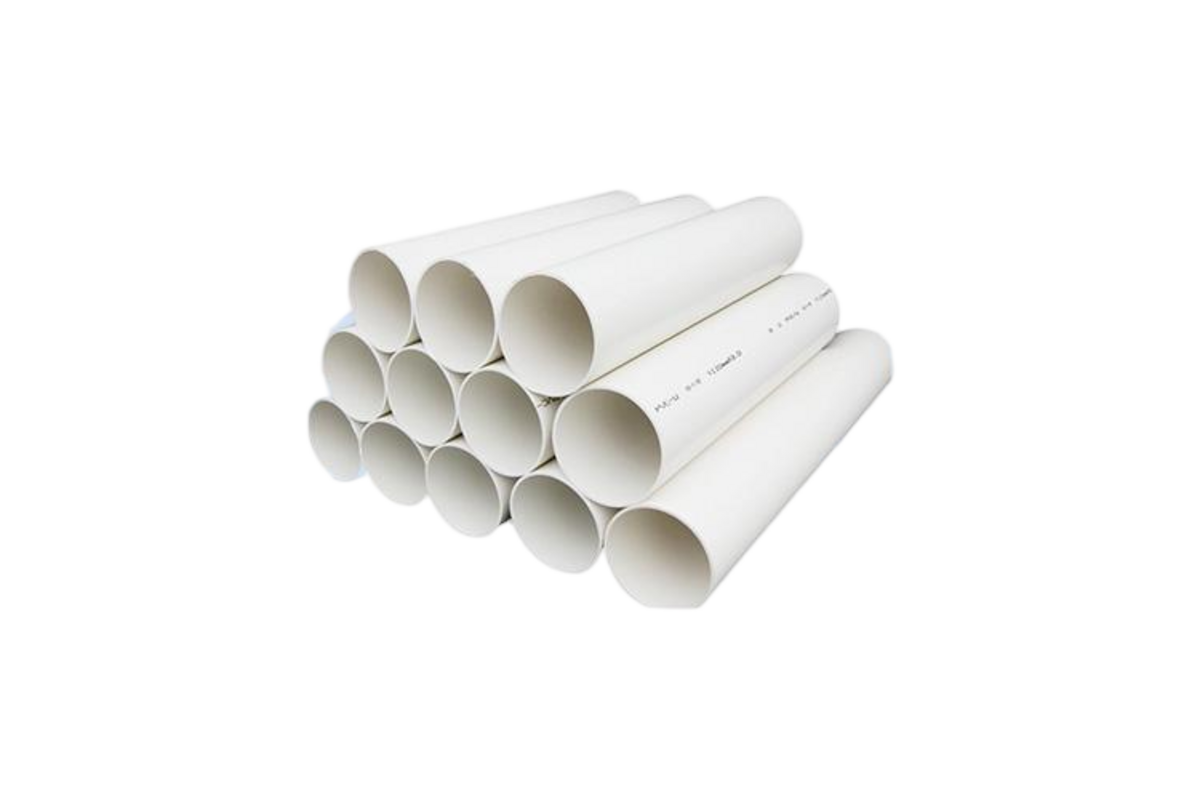
CPVC Pipe is a chlorinated-polyvinyl-chloride pressure pipe engineered for hot-water, chemical and industrial fluid service. Compared to PVC, the chlorinated polymer has higher chlorine content (66 % vs 56 %), giving it superior heat resistance, chemical-corrosion resistance and mechanical strength up to 90–95 °C.
Advantages and Characteristics
1. Excellent high-temperature resistance: continuous service at ~90 °C and short-term to ~95 °C.
2. Strong corrosion resistance to acids, alkalis, salts and oxidising chemicals.
3. Low flow resistance: smooth bore lowers head loss and pumping energy.
4. Solvent-weld assembly is fast and tool-free; no welder operator certification needed.
5. Long service life under typical conditions: 50+ years when installed within design limits.
How It Compares
1. Material: CPVC is the chlorinated modification of PVC, with extra chlorine bonded to the polymer chain.
2. Temperature: PVC is rated to ~63 °C, CPVC to ~90–95 °C — only CPVC is suited for hot-water service.
3. Chemical resistance: CPVC is more aggressive-chemical tolerant; PVC handles cold acids/alkalis well.
4. Mechanical strength: CPVC is somewhat stiffer at elevated temperatures.
5. Cost: CPVC is slightly more expensive; choose PVC for cold drainage and CPVC for hot or chemical loops.